Attachments and IPR: When and How Are They Planned for Clear Aligners?
What are attachments and IPR in clear aligner treatment? Explore their roles, movement requirements and digital planning in this clinician guide.
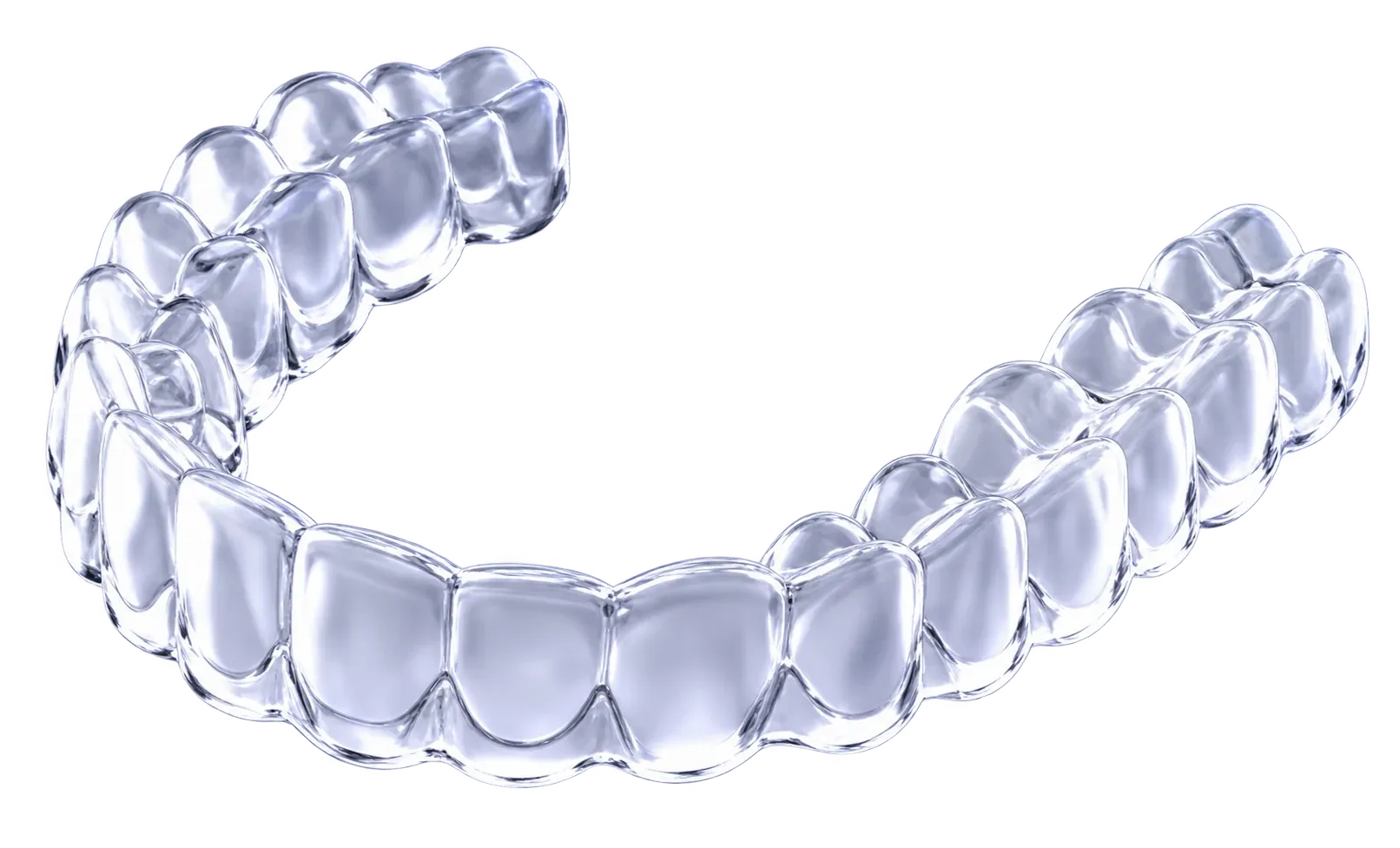
In clear aligner treatment, achieving a planned movement depends on how well the aligner engages the tooth and whether there is enough space for movement. Attachments address the first requirement; IPR addresses the second.
What are attachments?
Attachments are small tooth-colored composite features bonded to the buccal, or sometimes lingual, tooth surface using a placement template. The aligner fits around the feature to transmit force more precisely.
Which movements may need attachments?
- Rotation: Particularly for canines and premolars with rounded cross-sections.
- Extrusion: A retention surface helps the aligner pull the tooth in the required direction.
- Root movements (torque and bodily movement): To help generate a force couple.
- Anchorage: To improve aligner retention on teeth that are not moving.
Attachment types
| Type | Typical use |
|---|---|
| Rectangular (horizontal/vertical) | Retention, extrusion and root control |
| Beveled | Directed force, extrusion/intrusion |
| Optimized (movement-specific) | Shapes designed in software for a particular movement |
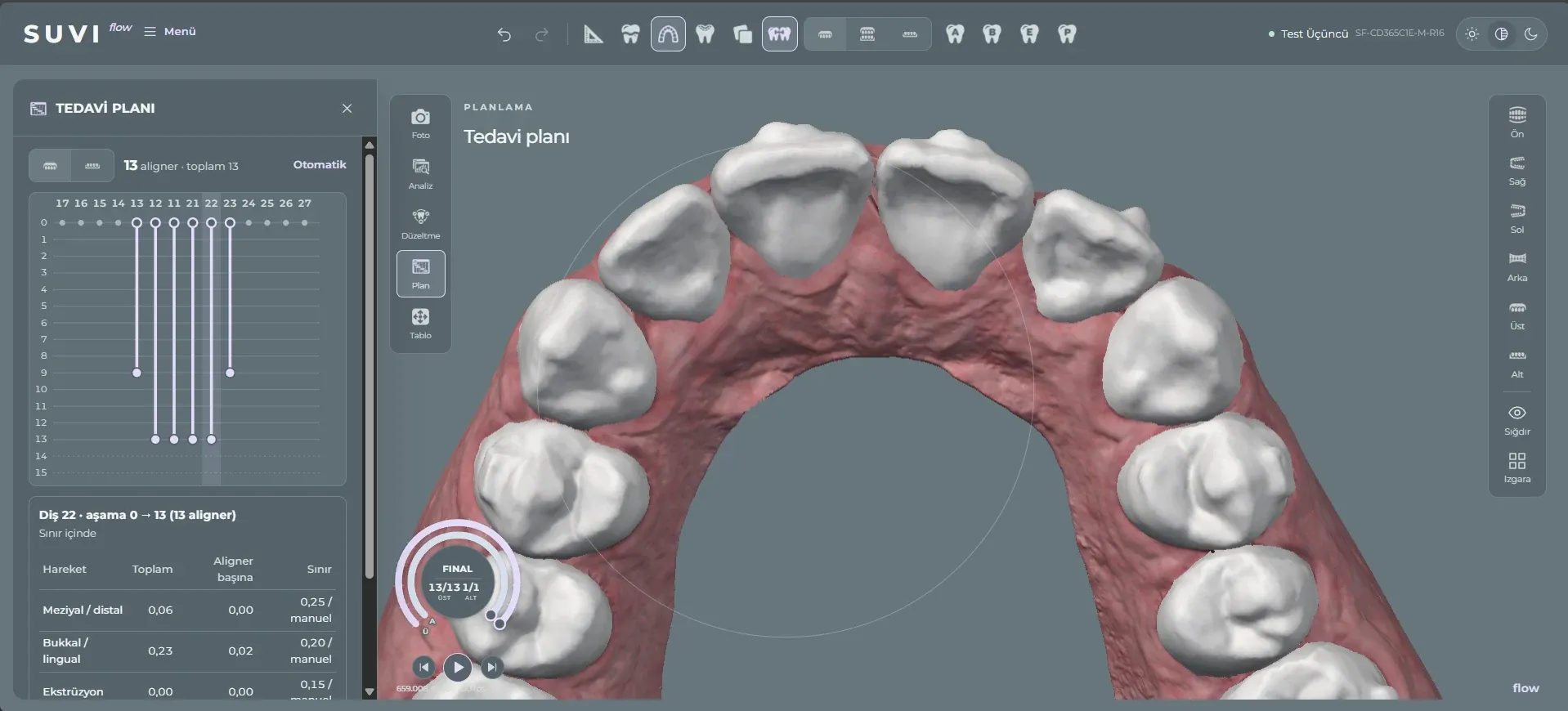
In Suvi Flow, attachment positions are planned by stage and a placement template is prepared for the case.
What is IPR?
IPR (interproximal reduction, or stripping) creates space by removing enamel from adjacent tooth contact surfaces in increments of tenths of a millimeter. In mild or moderate crowding, it may reduce the need for extraction. It can also help address Bolton discrepancies and reduce the appearance of black triangles.
How much IPR is planned?
- Amounts are often planned within 0.1–0.5 mm per contact.
- Enamel thickness, tooth morphology and radiographic assessment determine the limit.
- The total reduction is distributed across multiple contacts to avoid excessive reduction at a single site.
- The stage at which IPR is performed is also part of the plan, considering contact accessibility and the space available between teeth.
The IPR map in digital planning
A good planning output gives the clinician clear information about:
- The contact at which IPR is required, such as 12|13.
- The amount, such as 0.3 mm.
- The stage at which it should be performed, such as before the second aligner.
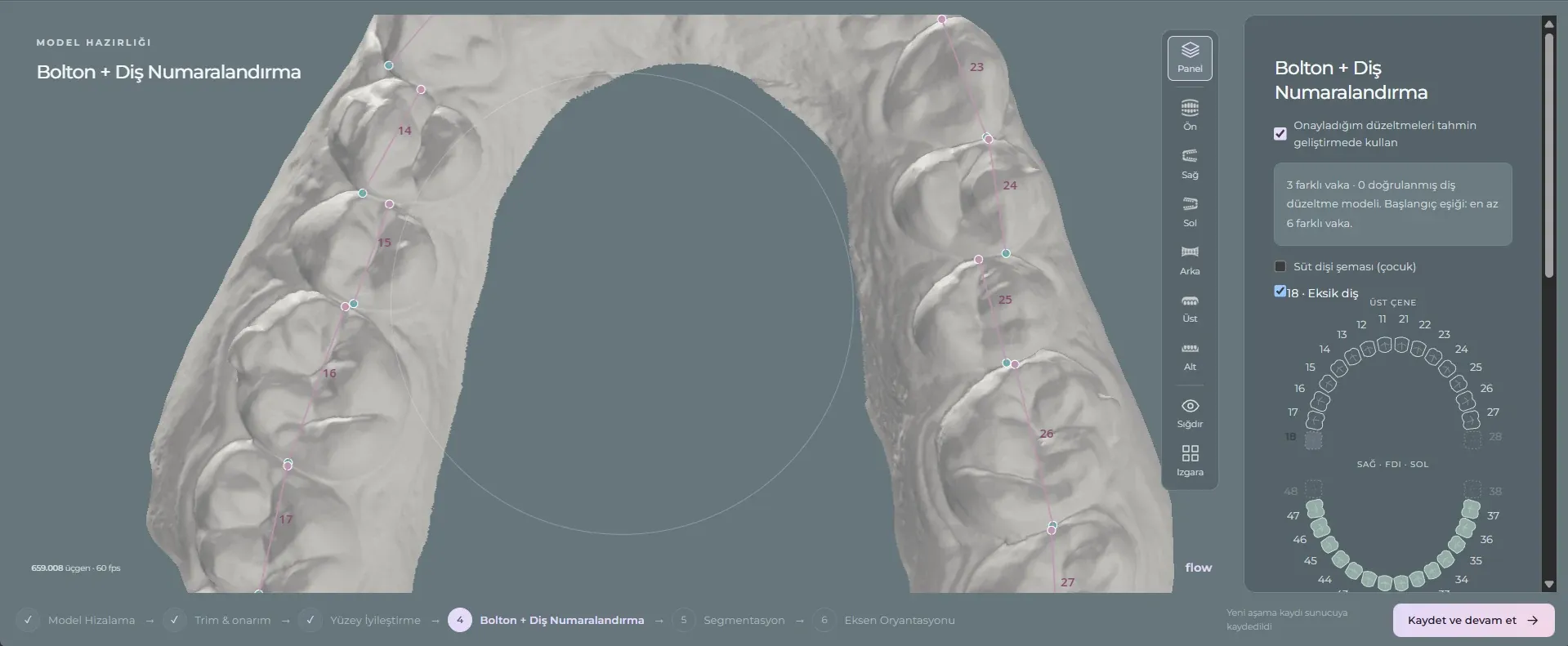
This map is generated automatically in plans prepared with Suvi Flow. To understand how IPR and attachment decisions relate to staging, read the staging guide.
Summary
Attachments transmit force; IPR creates space. Both are integral to the movement plan and should be planned stage by stage. To plan cases yourself, explore Suvi Flow. For a complete service, see Planning + Manufacturing.
Frequently asked questions
Does every clear aligner case need attachments?
No. Simple tipping movements may not require attachments. Attachments can improve aligner performance when rotation, extrusion, root movement or additional anchorage is required.
Does IPR damage teeth?
IPR is considered a space-gaining method when performed within enamel thickness limits, with appropriate instruments and in the planned amount. The clinician determines whether to perform it and how much enamel to remove.
- #attachments
- #ipr
- #clear-aligner
- #digital-planning